
Can I Take Ibuprofen With Blood Pressure Medication?
Ibuprofen can raise blood pressure and sometimes strain the kidneys, especially if you take lisinopril, losartan, hydrochlorothiazide, or a combination pill. Here's what matters, what to use instead, and when to ask a doctor or pharmacist.
Quick Answer
- Ibuprofen and other NSAIDs can raise blood pressure and may reduce how well some blood pressure medicines work. [1]
- Extra caution matters with lisinopril, losartan, hydrochlorothiazide, and combination pills that include an ACE inhibitor or ARB plus a diuretic. [2][5][6]
- Risk is higher if you are older, dehydrated, have kidney disease, or take a diuretic. The FDA label specifically tells these groups to ask before use. [3]
- If you also take low-dose aspirin for heart protection, ibuprofen can interfere with aspirin's benefit. [4]
Most people ask this question in a very normal moment. Your back is acting up, your knee hurts, or a headache shows up out of nowhere. You open the medicine cabinet, see ibuprofen, and think: Can I just take this?
That pause is smart.
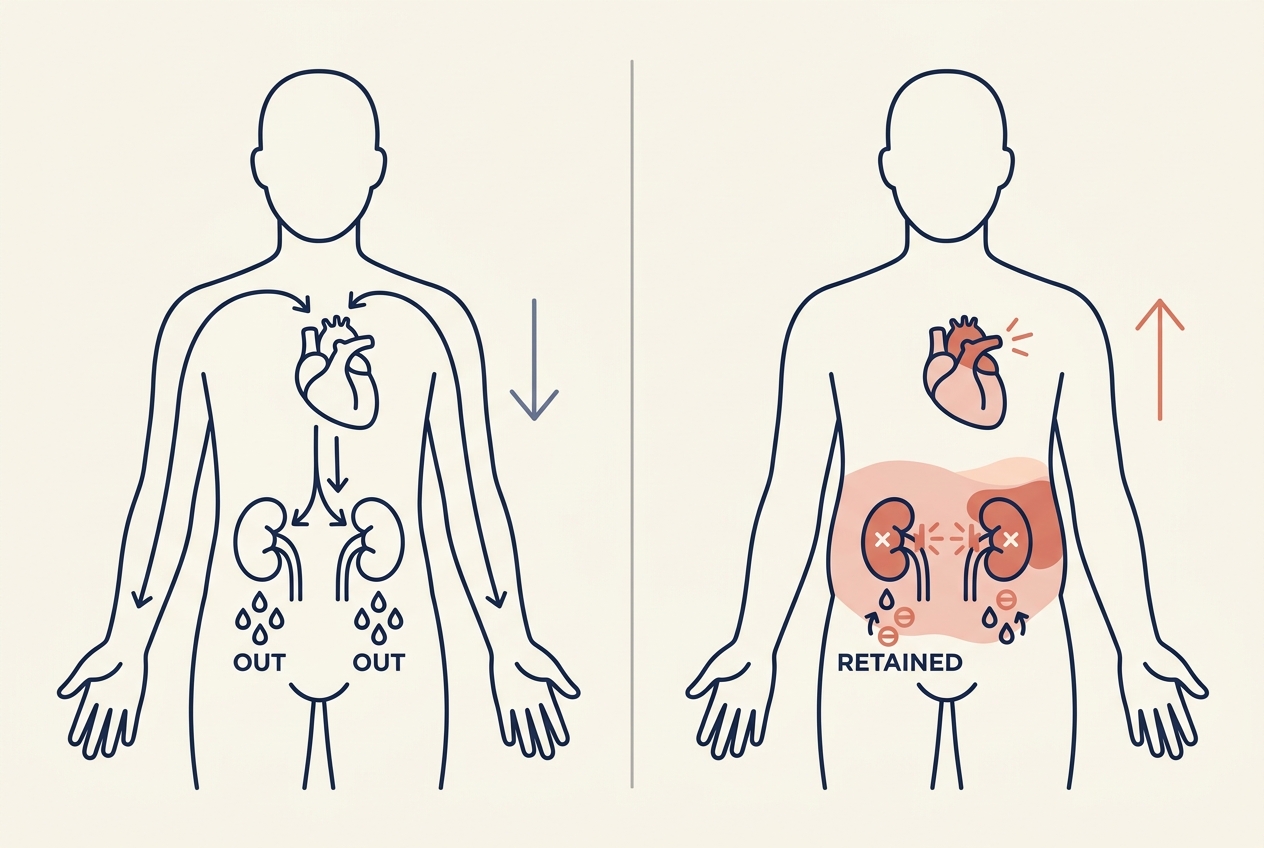
If you take blood pressure medicine, ibuprofen should not be your automatic first choice. NSAIDs like ibuprofen and naproxen can make the body hold onto water, affect the kidneys, raise blood pressure, and sometimes make blood pressure treatment work less well. The American Heart Association advises people with high blood pressure to check with a clinician or pharmacist before taking over-the-counter medicines, and it specifically lists NSAIDs among drugs that can raise blood pressure. [1][9]
That does not mean every single dose is a crisis. It means ibuprofen is not a grab-and-go medicine when you already treat high blood pressure every day.
Why ibuprofen can be a problem
Ibuprofen is good at reducing pain and inflammation, but it also pulls on the same kidney-and-fluid systems that help regulate blood pressure. Mayo Clinic notes that NSAIDs can make the body hold onto water, affect the kidneys, and raise blood pressure. [1]
That is why a pain pill from a drugstore shelf can quietly work against a treatment plan that felt stable yesterday. It may not feel dramatic in the moment, but it can make blood pressure harder to control or add stress to the kidneys in the background. [1][10]
Which blood pressure medicines deserve the most caution?
Lisinopril and other ACE inhibitors
MedlinePlus says nonprescription NSAIDs such as ibuprofen and naproxen may interact with lisinopril, and it advises patients to tell their doctor or pharmacist before starting them. [2]
Losartan and other ARBs
MedlinePlus gives the same warning for losartan: ibuprofen and naproxen are listed among nonprescription products that may interact, and patients are told not to start them without discussing it with their healthcare provider. [5]
Hydrochlorothiazide and other diuretics
MedlinePlus also lists NSAIDs such as ibuprofen and naproxen among products that may interact with hydrochlorothiazide. This matters because a diuretic helps your body get rid of extra salt and water, while NSAIDs can push in the opposite direction. [6]
Combination pills deserve extra caution
If you take a combination pill such as lisinopril + hydrochlorothiazide, MedlinePlus again flags ibuprofen and naproxen as interacting medicines. NIDDK also warns that NSAIDs can damage the kidneys when taken for a long time, or lead to acute kidney injury when taken while dehydrated or when blood pressure is low. The risk is especially important in people with kidney disease, diabetes, and high blood pressure. [7][10]
That is one reason this question matters more than it seems. A common pattern is not "one terrible pill," but a few days of NSAID use during an illness, while dehydrated, on top of blood pressure medicine and a water pill.
What about taking it just once?
The honest answer is that one dose is not the same as taking ibuprofen several times a day for a week. But the FDA's ibuprofen label still says to ask before use if you have high blood pressure, heart disease, kidney disease, take a diuretic, or are age 60 or older. The same label warns that long-term continuous use can raise the risk of heart attack or stroke. [3]
So the bigger worry is repeated use, higher doses, and treating ibuprofen like a harmless habit. That is especially true if your blood pressure is already hard to control, you take more than one blood pressure medicine, or you are sick and not drinking much.
What can I use instead?
For many people with high blood pressure, acetaminophen (Tylenol) is the first question to ask about. The American Heart Association says people with high blood pressure should avoid NSAIDs for over-the-counter pain relief because they may elevate blood pressure or make blood pressure medicine less effective, and it recommends considering acetaminophen instead. [8]
But this needs to be medically honest. Acetaminophen is often the simpler first option for occasional pain, but it is not a perfect long-term answer. The PATH-BP trial found that regular acetaminophen use increased blood pressure in people with hypertension. [11]
For occasional pain, acetaminophen is often the easier first choice. For frequent pain, ask before self-treating day after day.
For joint or muscle pain, a topical option may be worth discussing. Topical diclofenac gel (Voltaren) delivers the drug directly to the painful area with much less absorption into the bloodstream. [12]
Topical capsaicin, lidocaine patches, and menthol-based creams are other options that do not affect blood pressure at all.
One thing many people miss: baby aspirin
If you take low-dose aspirin to help prevent a heart attack or stroke, this deserves its own section.
The FDA says people taking aspirin for heart protection should talk to their doctor before taking ibuprofen at the same time, because ibuprofen may decrease aspirin's benefit for the heart. [4]
So for some people, this is not just a blood pressure question. It is also an aspirin question.
When to get help sooner
Talk to a clinician sooner rather than later if your blood pressure has been harder to control, you have been using ibuprofen or naproxen repeatedly, you notice swelling, or you are urinating less than usual. [10]
Get urgent help if you have warning signs such as:
- Chest pain or trouble breathing
- Weakness on one side or slurred speech
- Black stools or vomiting blood
- Feeling faint or very dizzy
- Severe swelling in legs, ankles, or feet
Those warnings appear on the FDA ibuprofen labeling. [3]
What to ask your doctor or pharmacist
A very practical sentence:
"I take blood pressure medicine and need something for pain. What is the safest pain reliever for me, and for how many days?"
That wording works because it turns a vague worry into a specific medication question. The American Heart Association advises people with high blood pressure to check with a healthcare professional or pharmacist before taking over-the-counter medicines or supplements. It also recommends keeping all healthcare professionals informed about everything you take and using one pharmacy when possible to help avoid interactions. [9]
It also helps to mention:
- The exact blood pressure medicines you take
- Whether you also take a diuretic
- Whether you take low-dose aspirin
- Whether this is a one-time pain problem or something you keep needing to treat
Frequently asked questions
Can I take ibuprofen with lisinopril?
It is better not to make that your default. MedlinePlus lists ibuprofen and naproxen among the nonprescription products that may interact with lisinopril. Acetaminophen is generally a safer choice for occasional pain. [2]
Is naproxen safer than ibuprofen for blood pressure?
No. Naproxen is also an NSAID, and Mayo Clinic includes both naproxen and ibuprofen among the medicines that can make the body hold onto water, affect the kidneys, and raise blood pressure. [1]
Can I take Tylenol with blood pressure medication?
Often that is the easier first option for occasional pain. AHA material recommends considering acetaminophen instead of NSAIDs for people with high blood pressure. However, the PATH-BP trial found that regular acetaminophen use can raise blood pressure in people with hypertension, so it's best for occasional rather than ongoing use. [8][11]
What if I only need pain relief for a day or two?
That is a lower-risk situation than repeated use, but the FDA label still tells people with high blood pressure, heart or kidney disease, those taking a diuretic, and adults age 60 or older to ask before use. [3]
The bottom line
If you take blood pressure medication, ibuprofen is not always forbidden, but it is also not something to use casually.
The real concern is usually not one dramatic pill. It is the quiet pattern: blood pressure creeping up, treatment working less well, kidney stress building in the background, or a drugstore habit that never got reviewed. For most people, the safest move is simple: pause, check what blood pressure medicine you take, and ask what makes sense for your specific medication list. [9]
Not sure which pain reliever fits your medications?
MediCare AI turns a vague medication worry into a clearer question for your doctor or pharmacist.
Download MediCare AISources
- Mayo Clinic. "Medications and supplements that can raise your blood pressure." mayoclinic.org
- MedlinePlus. "Lisinopril." medlineplus.gov
- FDA. "Ibuprofen Drug Facts Label." fda.gov
- FDA. "Information about Taking Ibuprofen and Aspirin Together." fda.gov
- MedlinePlus. "Losartan." medlineplus.gov
- MedlinePlus. "Hydrochlorothiazide." medlineplus.gov
- MedlinePlus. "Lisinopril and Hydrochlorothiazide." medlineplus.gov
- American Heart Association. "Small Changes Make a Big Difference." heart.org (PDF)
- American Heart Association. "Managing High Blood Pressure Medications." heart.org
- National Institute of Diabetes and Digestive and Kidney Diseases. "Keeping Kidneys Safe: Smart Choices about Medicines." niddk.nih.gov
- AHA Journals. "Regular Acetaminophen Use and Blood Pressure in People With Hypertension (PATH-BP)." ahajournals.org
- MedlinePlus. "Diclofenac Topical (arthritis pain)." medlineplus.gov
This article is for educational purposes only and does not replace professional medical advice, diagnosis, or treatment. If you are experiencing symptoms, consult a qualified healthcare provider.